Blog
How to Store Frozen Seafood Properly – Expert Tips 2026
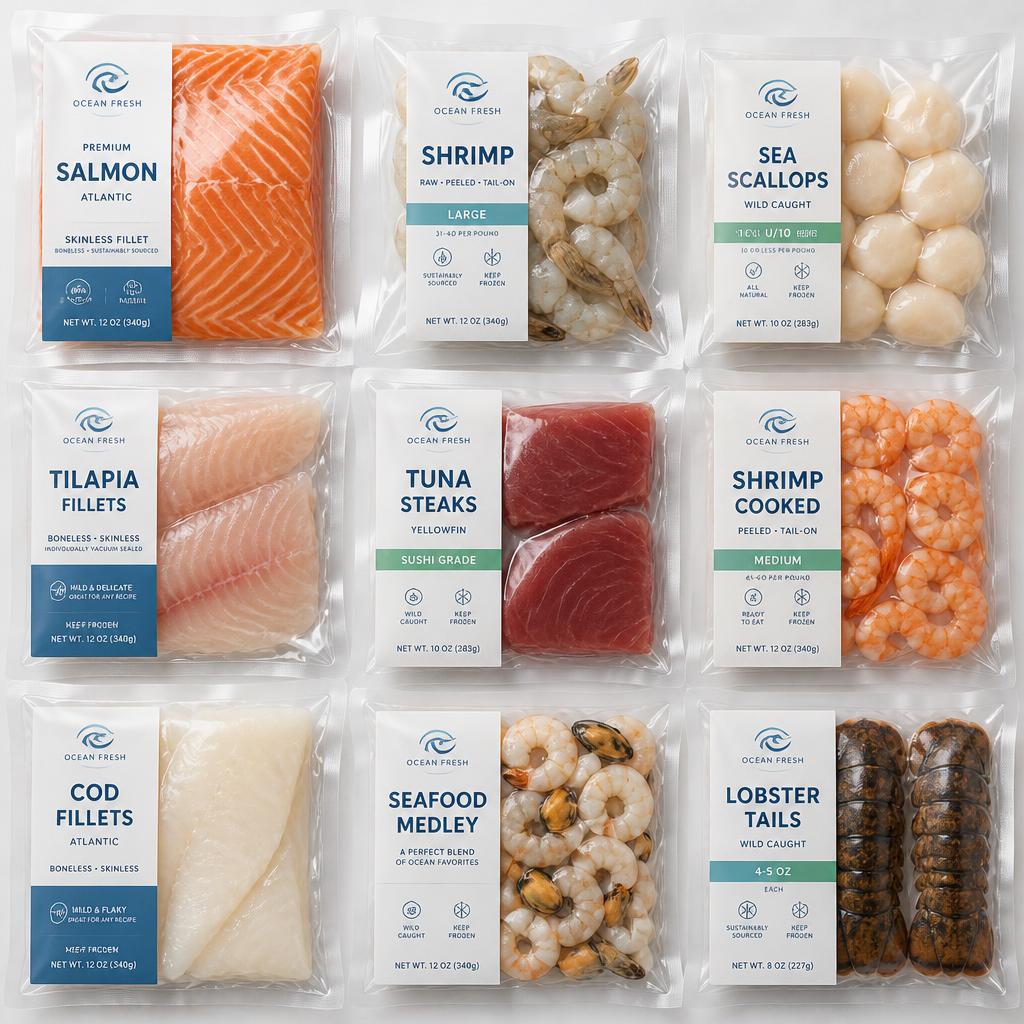
How to Store Frozen Seafood Properly: Keep It Fresh & Safe
When you invest in high-quality seafood for your high-protein meals, keto dinners, or weekend family boils, the last thing you want is freezer burn or spoiled flavor. Learning how to store frozen seafood properly ensures maximum taste, food safety, and value.
Proper storage prevents waste and keeps nutrients intact — crucial for clean eating and fitness goals.
Why Proper Frozen Seafood Storage Matters Frozen seafood can last months when stored correctly, but poor techniques lead to dry, tasteless, or unsafe results. In the USA and Canada, where premium seafood like Alaskan king crab and snow crab is popular, knowing the right methods protects your investment and your health.
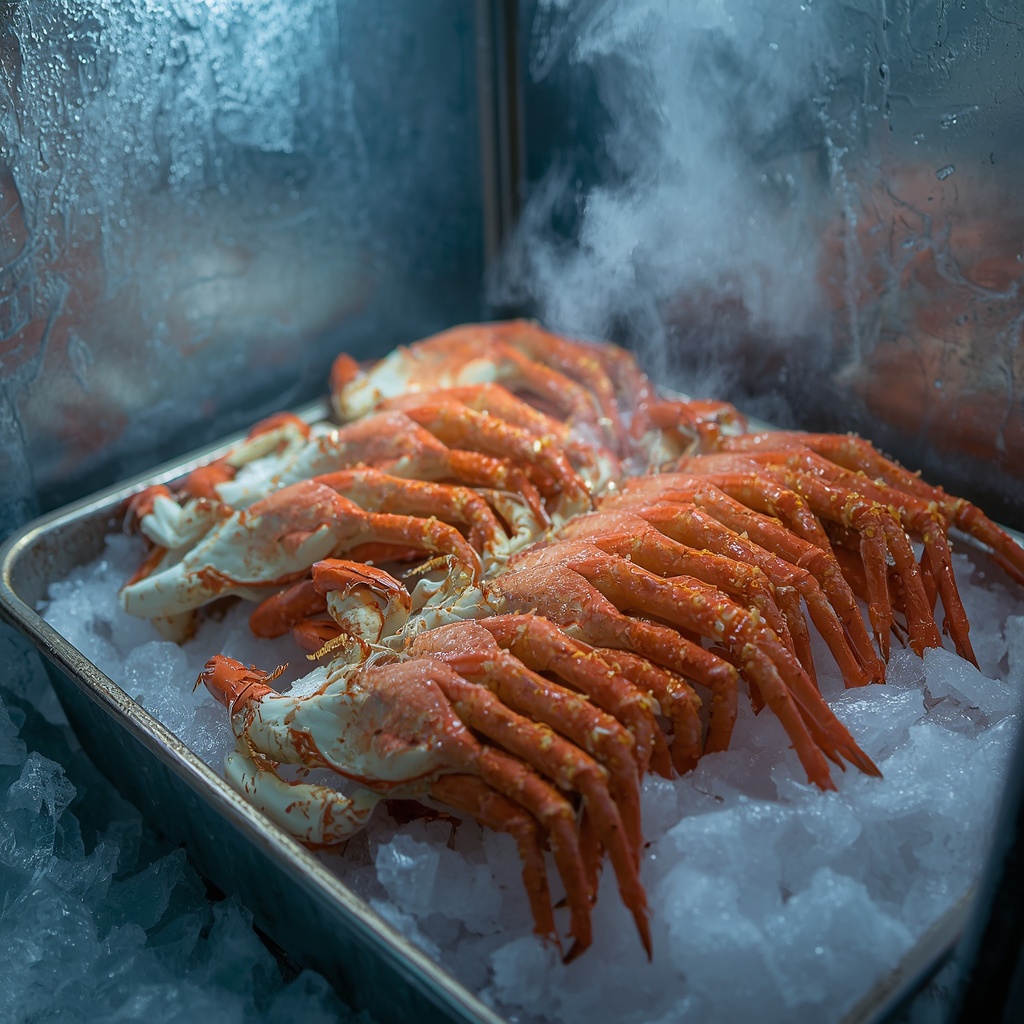
how to store frozen seafood properly Start with the freshest catch possible.
- Pat dry thoroughly to remove excess moisture.
- Portion into meal-sized packs.
- Use vacuum-sealed bags or heavy-duty freezer bags, removing as much air as possible.
- Label with date and contents.
- Flash-freeze on a tray before bagging for individual pieces.
how to store frozen seafood properly Official guidelines for credibility
- Keep temperature at 0°F (-18°C) or below.
- Store in the coldest part of the freezer (back/bottom).
- Use airtight, moisture-proof packaging.
- Avoid overloading the freezer — good airflow matters.
- Rotate stock using FIFO (first-in, first-out).
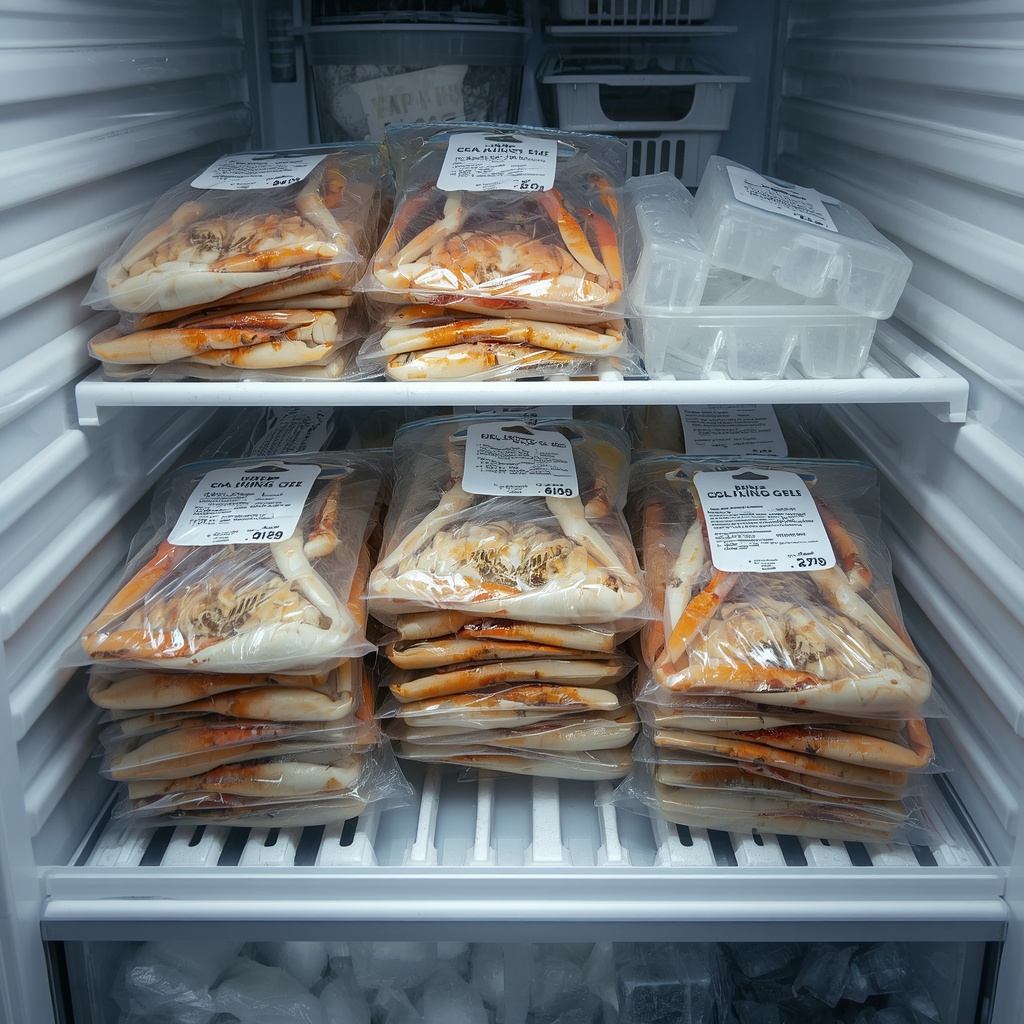
Safe Thawing Methods for Frozen Seafood Never thaw at room temperature. Best options:
- Refrigerator (safest — 24 hours for larger items).
- Cold water (sealed bag, change water every 30 minutes).
- Cook directly from frozen (add extra time).
how to store frozen seafood properly–How Long Does Frozen Seafood Last?
- Fatty fish (salmon): 2–3 months
- Lean fish & shrimp: 6 months
- Crab legs (king/snow): 9–12 months
- Vacuum-sealed: up to 12+ months
how to store frozen seafood properly–Common Mistakes to Avoid
- Refreezing thawed seafood
- Leaving in original grocery packaging
- Storing near strong odors
- Overpacking the freezer
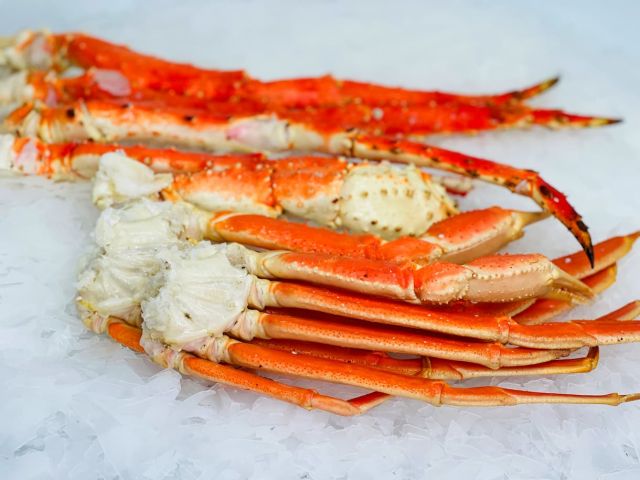
Pro Tips for King Crab & Snow Crab Legs Keep vacuum-sealed king crab legs in the coldest section. For snow crab, portion clusters. Thaw slowly in the fridge for best texture.
how to store frozen seafood properly-FAQ Can I refreeze thawed seafood? Only if it was thawed in the refrigerator and never warmed above 40°F.
how to store frozen seafood properly? Use vacuum sealing and wrap tightly in freezer paper.
Is it safe to cook frozen seafood directly? Yes — just add 50% more cooking time and check internal temperature.
Products by Category
-

$50 Seafood Box – You Pick 2
$50.00 -
$50 Seafood Box – You Pick 2
$75.00 -
$75 Seafood Box – You Pick 2
Price range: $50.00 through $60.00 -
Crab House Kickoff Kit
$35.00 -
Crab Meat Sampler
Price range: $15.20 through $75.99 -
Premium Blue Crab Collection
Price range: $20.99 through $95.99 -
Snow and King Crab Bundle
$55.99



Final Thoughts Mastering how to store frozen seafood properly elevates your home cooking game while saving money and reducing waste. Whether you’re meal-prepping high-protein bowls or planning a seafood boil, these tips keep every bite delicious and safe.
Start implementing these methods today — your future dinners will thank you!
Shop premium frozen king crab legs here
