Blog
Frozen Seafood: Nutrition, Quality & Easy Recipes:frozen seafood
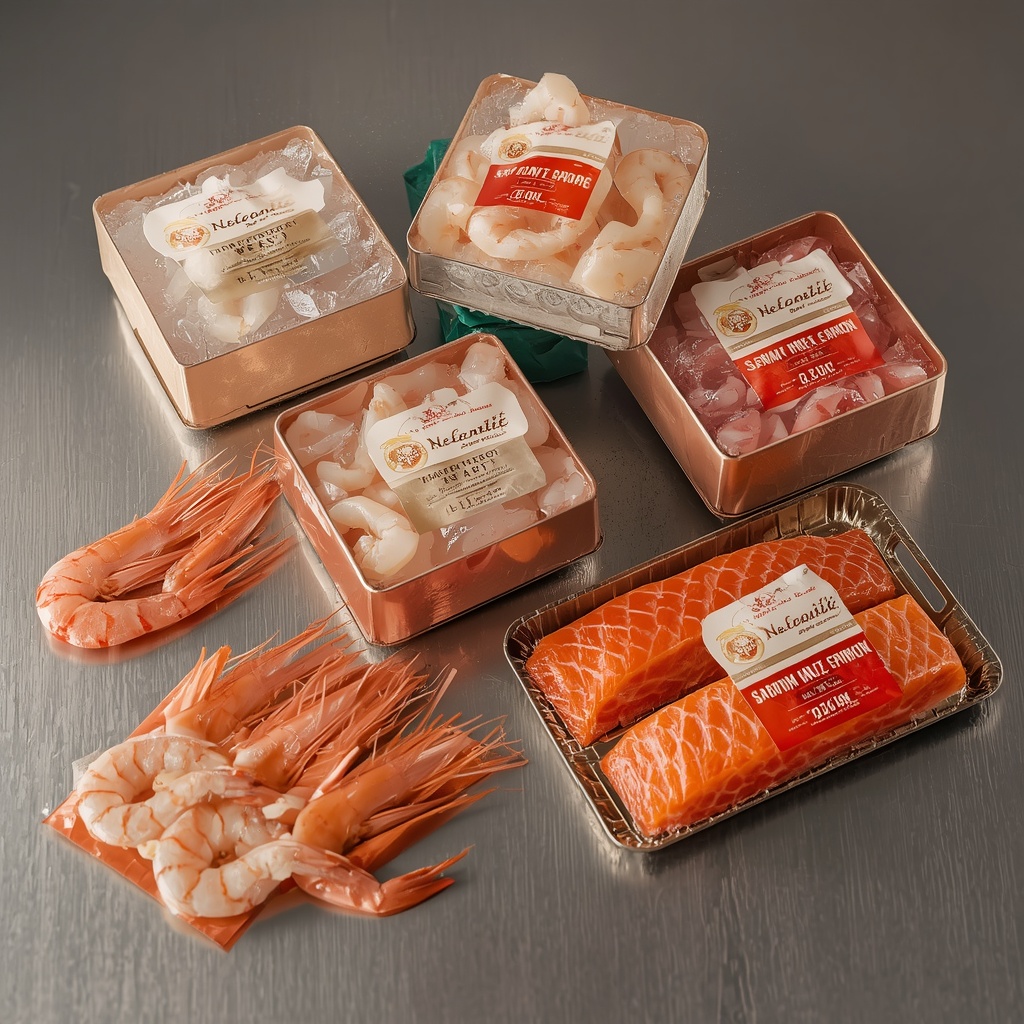
Frozen seafood has become a reliable, nutrient-dense option for busy people following high-protein diets, keto, clean eating, or fitness routines across the USA and Canada. When handled properly, frozen seafood delivers the same high-quality protein, omega-3s, and minerals as fresh seafood — often at a better value and with greater convenience for home cooking, family seafood boils, and weekend dinners.
Frozen Seafood Is a Smart Choice for High-Protein Diets
Most commercial frozen seafood is flash-frozen shortly after harvest, locking in protein, healthy fats, and micronutrients. A typical serving of frozen salmon, shrimp, or white fish provides 20–25+ grams of complete protein with minimal carbs, frozen seafood ideal for keto and muscle-supporting meals. frozen seafood also rich in omega-3 fatty acids, selenium, and vitamin B12 — nutrients that support energy, recovery, and overall health without excess calories.
Frozen vs. Fresh: Quality, Nutrition, and Convenience
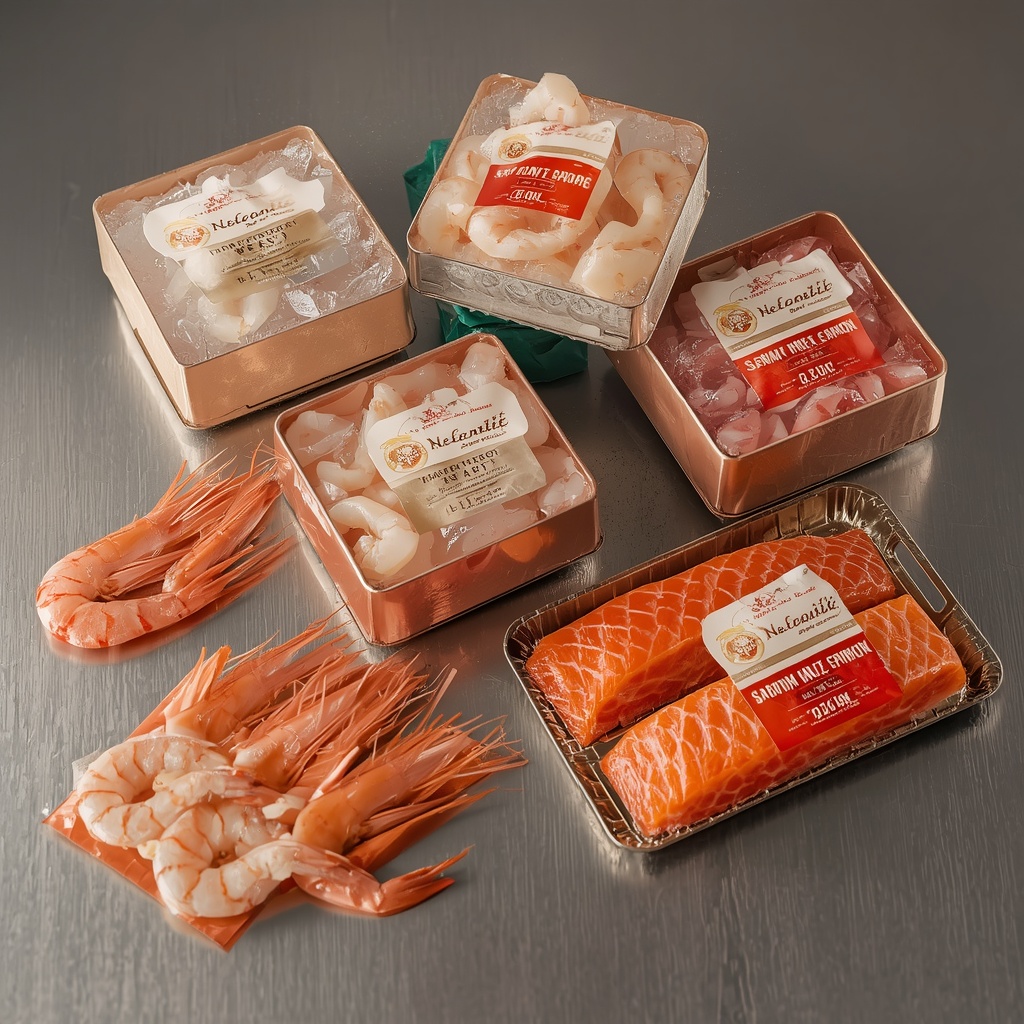
Contrary to older myths, frozen seafood often matches or exceeds “fresh” options that have spent days in transit. Flash-freezing preserves texture and nutrition better than prolonged refrigeration. For clean eating and fitness goals, the key is choosing products without added breading, sauces, or unnecessary sodium. consumer-friendly summary of ratings
How to Choose Premium Frozen Seafood in the USA and Canada
Look for vacuum-sealed packages, clear “product of” labeling, and certifications such as MSC or ASC for sustainability. Premium grocery chains and specialty seafood suppliers in both countries stock excellent frozen shrimp, salmon, cod, and mixed seafood packs. Check for ice crystals or freezer burn as signs of poor handling.
Best Practices for Thawing and Cooking Frozen Seafood
Thaw overnight in the refrigerator or use a cold-water bath for faster results. Never thaw at room temperature. Once thawed, cook promptly using high-heat methods that preserve moisture — grilling, baking, pan-searing, or boiling.
Easy Frozen Seafood Recipes for Weekend Dinners and Family Boils
Garlic Butter Frozen Shrimp Thaw shrimp, pat dry, and sauté in butter with garlic, lemon, and herbs. Ready in under 10 minutes for a keto-friendly protein boost.
Baked Frozen Salmon Fillets Season fillets with olive oil, salt, pepper, and lemon. Bake at 400°F until flaky. Pair with vegetables for a clean, high-protein plate.
Quick Frozen Seafood Boil Combine thawed shrimp, fish pieces, corn, and potatoes in seasoned broth. Perfect for family gatherings and weekend entertaining.
Make Frozen Seafood a Staple in Your Healthy Kitchen
Frozen seafood removes the barrier of perishability while delivering the protein and nutrients needed for fitness, keto, and clean eating lifestyles. With smart selection and simple preparation, it becomes one of the most practical premium ingredients for everyday and special-occasion meals across the USA and Canada.
FAQ Section Optimized for Google
Is frozen seafood as healthy as fresh? Yes. Properly flash-frozen seafood retains protein, omega-3s, and vitamins comparable to fresh when thawed and cooked correctly.
How long can you keep frozen seafood? Most unopened packages last 3–6 months in a freezer at 0°F or below. Follow package dates and avoid repeated thawing.
What’s the best way to thaw frozen seafood? Refrigerator overnight is safest. Cold-water bath works for same-day use. Cook immediately after thawing.
Can frozen seafood be used for keto and high-protein diets? Absolutely. It provides lean or fatty protein with virtually zero carbs, fitting clean eating and fitness goals perfectly.
Products by Category
-

$50 Seafood Box – You Pick 2
$50.00 -
$50 Seafood Box – You Pick 2
$75.00 -
$75 Seafood Box – You Pick 2
Price range: $50.00 through $60.00 -
Crab House Kickoff Kit
$35.00 -
Crab Meat Sampler
Price range: $15.20 through $75.99 -
Premium Blue Crab Collection
Price range: $20.99 through $95.99 -
Snow and King Crab Bundle
$55.99