Blog
Seafood Buying Guide: Tips for First-Time Buyers
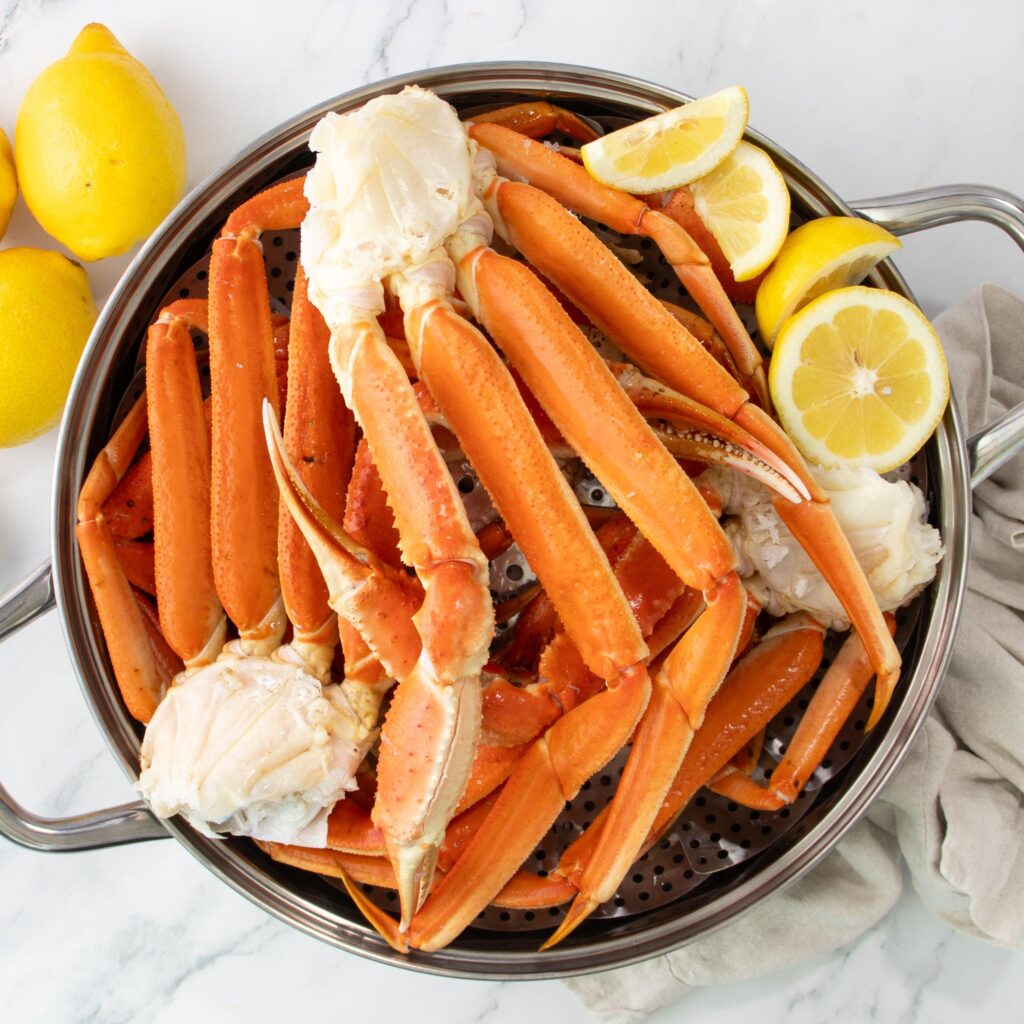
Starting your journey with seafood can feel overwhelming, but this seafood buying guide will give you the confidence to shop like a pro. Whether you’re following a high-protein diet, keto lifestyle, clean eating plan, or simply planning weekend family seafood boils, knowing how to choose quality seafood makes all the difference in taste, health, and value.
seafood buying guide-Why Learning How to Buy Seafood Matters
Seafood is one of the best sources of lean protein, omega-3 fatty acids, and essential nutrients that support fitness goals and overall wellness. However, poor choices can lead to disappointment or even health concerns. This guide helps first-time buyers in the USA and Canada navigate grocery stores, fish markets, and online options with ease.
seafood buying guide-Fresh vs Frozen Seafood: What’s Better?
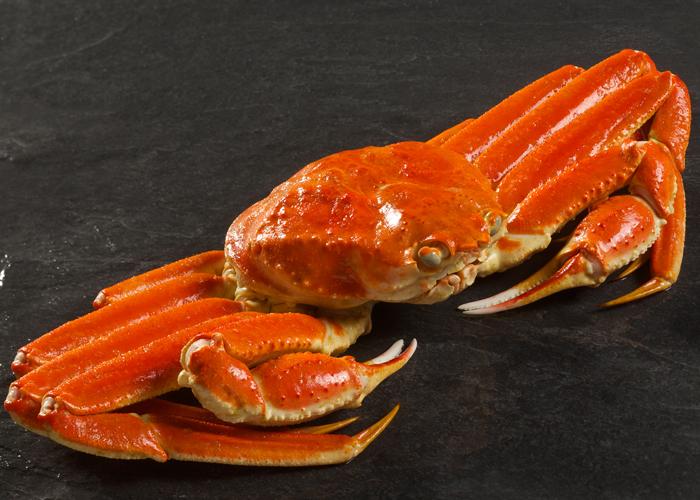
Many people assume fresh is always superior, but high-quality frozen seafood is often flash-frozen at peak freshness and can be just as nutritious. Fresh seafood should smell like the ocean — mild and briny, never fishy. For convenience and longer storage, frozen options work great for home cooking.
Pro Tip: Look for “individually quick frozen” (IQF) products for best texture. Seafood Watch recommendations
Wild Caught vs Farmed Seafood – Which Should You Choose?
Wild-caught seafood often has superior flavor and fewer contaminants, but responsibly farmed options can be sustainable too. In the USA and Canada, look for certifications from the Marine Stewardship Council (MSC) or Best Aquaculture Practices (BAP).
How to Spot High-Quality Seafood at the Store
- Smell test: Fresh seafood smells clean, not ammonia-like.
- Appearance: Firm flesh that springs back when touched. Bright, shiny skin or shell.
- Eyes: For whole fish, clear and bulging eyes indicate freshness.
- Shellfish: Clams and mussels should have tightly closed shells.
Best Seafood Choices for High-Protein, Keto & Clean Eating
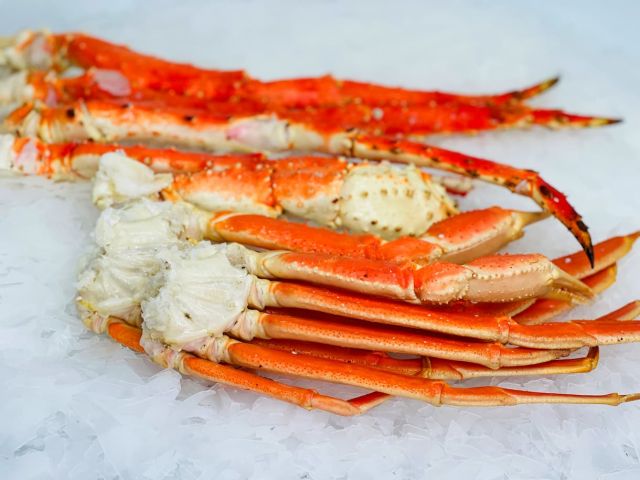
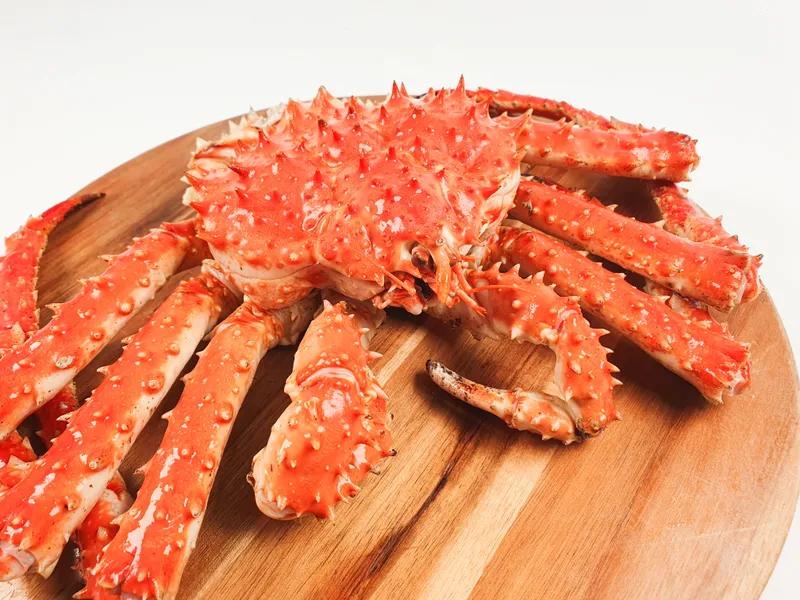
Prioritize fatty fish like salmon, mackerel, and sardines for healthy fats. Lean options such as cod, shrimp, and scallops fit perfectly into high-protein meals. For premium weekend dinners, consider King Crab legs for luxury or Snow Crab for great value and sweetness.
seafood buying guide for Responsible Buyers
Use resources like Monterey Bay Aquarium’s Seafood Watch to make ocean-friendly choices. Buying American or Canadian-caught seafood supports local fisheries and often means better management practices.
Popular Picks: Snow Crab vs King Crab and More
King Crab offers thick, sweet meat and impressive presentation for special occasions, while Snow Crab provides excellent value and is easier to enjoy in family boils. Both are fantastic high-protein options.
Mastering this seafood buying guide will transform your shopping experience and elevate your home-cooked meals. Next time you’re at the market, you’ll shop with confidence and bring home the best seafood for your table.
FAQ Section (Optimized for Google)
Q: Is frozen seafood as good as fresh? A: Yes — high-quality frozen seafood is often fresher than “fresh” fish that has been sitting on ice for days.
Q: What’s the difference between wild caught and farmed seafood? A: Wild-caught generally has better flavor and fewer additives, while some farmed varieties offer consistent quality and sustainability when certified.
Q: How do I know if seafood is fresh? A: It should smell mildly of the ocean, have firm flesh, and bright appearance.
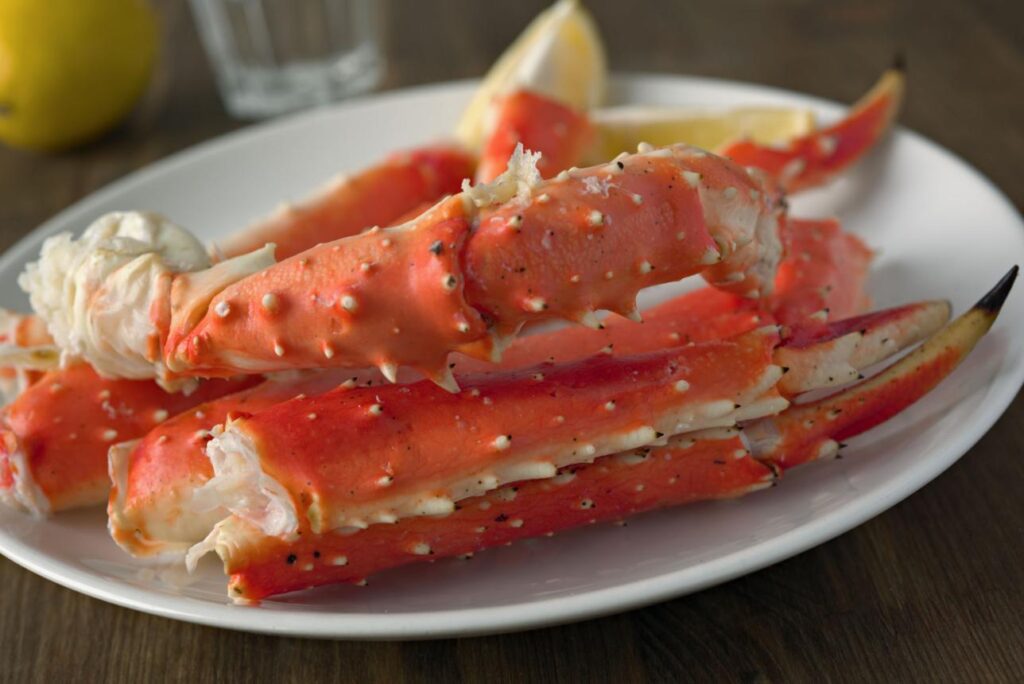
Q: Which crab is better — King or Snow? A: King Crab is larger and more premium; Snow Crab offers better value and sweeter meat for everyday meals.
Browse our premium selection of King Crab and Snow Crab legs with fast shipping across USA & Canada.
Products by Category
-

$50 Seafood Box – You Pick 2
$50.00 -
$50 Seafood Box – You Pick 2
$75.00 -
$75 Seafood Box – You Pick 2
Price range: $50.00 through $60.00 -
Crab House Kickoff Kit
$35.00 -
Crab Meat Sampler
Price range: $15.20 through $75.99 -
Premium Blue Crab Collection
Price range: $20.99 through $95.99 -
Snow and King Crab Bundle
$55.99