Blog
Chesapeake Clams vs Littleneck Clams: Taste, Size & Uses
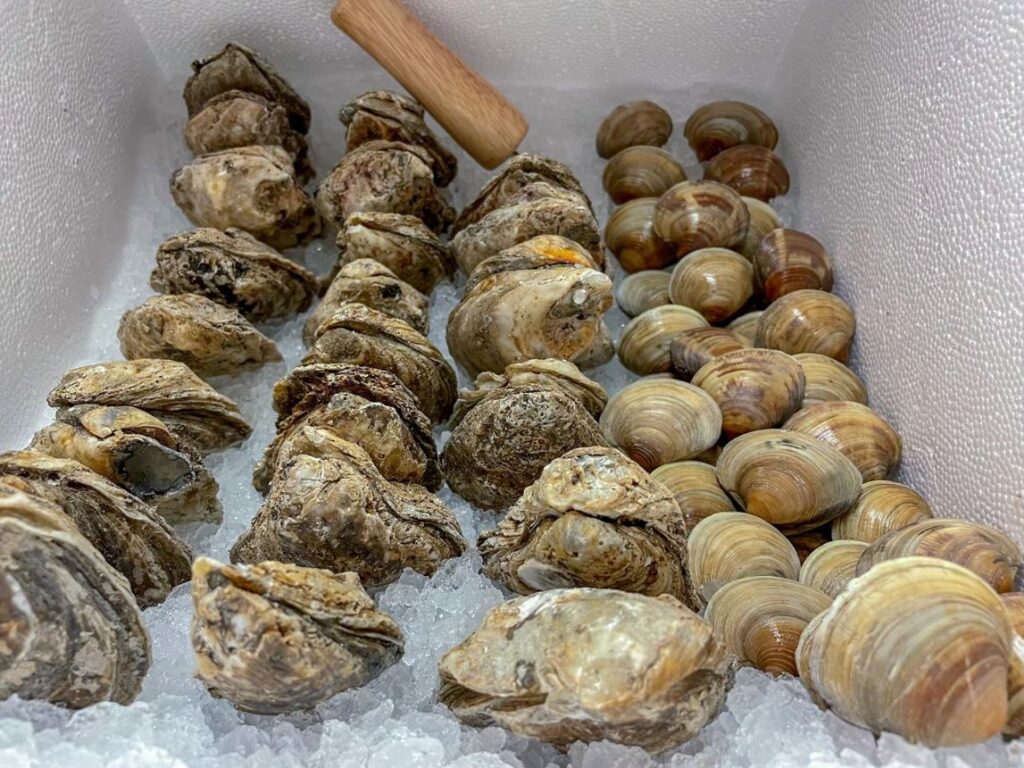
When planning your next seafood boil or healthy weeknight dinner, understanding Chesapeake Clams vs Littleneck Clams makes all the difference. Both are popular East Coast hard-shell clams, but they vary in size, flavor intensity, and ideal uses—especially for fitness-focused home cooks who prioritize clean, high-protein meals.
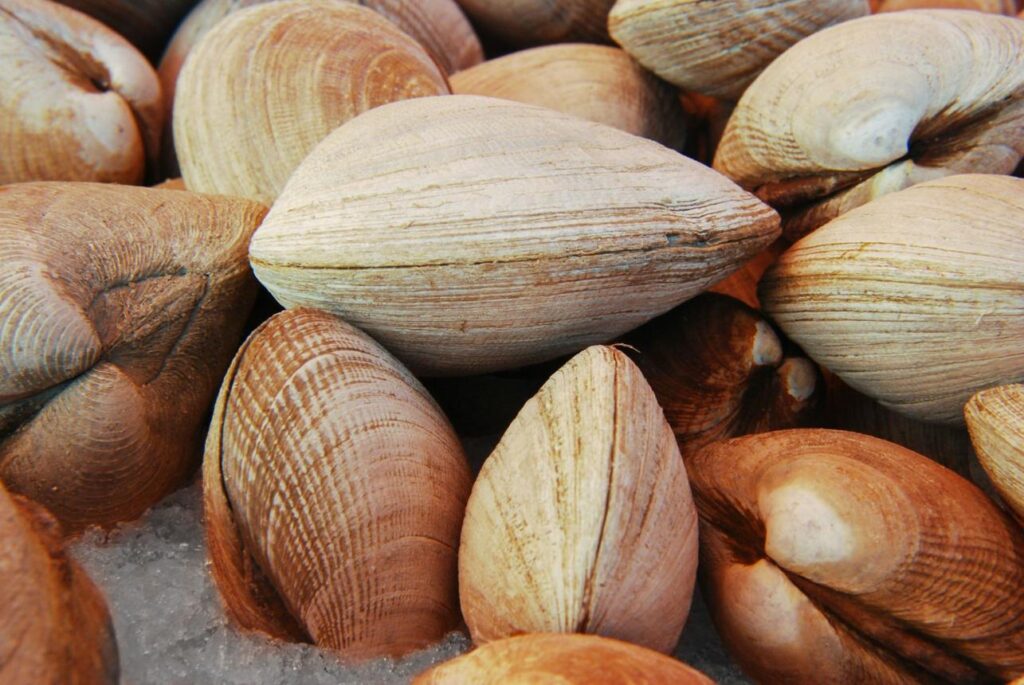
What Are Chesapeake Clams? Chesapeake Clams are hard clams (Mercenaria mercenaria) harvested from the nutrient-rich waters of the Chesapeake Bay in Maryland and Virginia. Known for their robust, briny character influenced by the bay’s mix of fresh and saltwater, these clams reflect the unique terroir of the region. They come in various sizes, from smaller grades to larger chowder clams.
What Are Littleneck Clams? Littleneck Clams are the smallest commercial size grade of hard clams, typically 1.5 to 2 inches wide. Named after Little Neck Bay in New York, they are widely available along the Atlantic coast from Canada down to the Gulf. Their small size makes them the most tender and popular choice for both raw and cooked preparations.
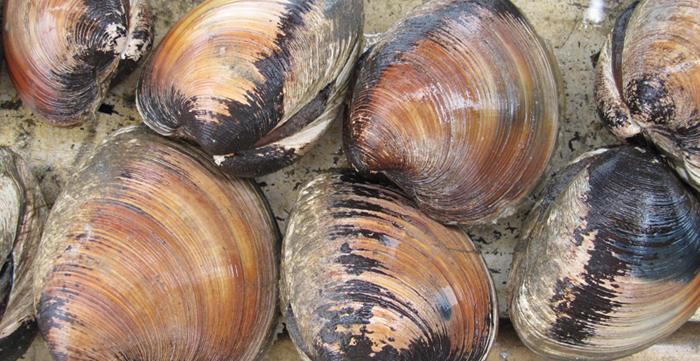
Chesapeake Clams vs Littleneck Clams–Key Differences:
Size and Appearance Littlenecks are consistently smaller and more uniform, making them ideal for elegant presentations. Chesapeake Bay clams can range wider in size depending on harvest, often offering a heartier bite in larger specimens.
Taste and Texture Littlenecks tend to be sweeter, milder, and more tender with pleasant brininess — perfect for raw half-shell servings or light steaming. Chesapeake Clams often deliver a deeper, more pronounced ocean flavor thanks to the bay’s ecosystem, with a slightly firmer texture that shines in hearty dishes.
Price and Availability Littlenecks usually command a premium due to their size and tenderness. Chesapeake clams can be more affordable and seasonally abundant in the Mid-Atlantic, supporting local fisheries.
Best Cooking Methods and Recipes Both work great in seafood boils, but littlenecks excel in linguine with clams, clams casino, or raw with cocktail sauce. Use larger Chesapeake clams for chowders, stuffed clams, or grilled preparations where their robust flavor stands up to bold seasonings. For keto and high-protein diets, steam them simply with garlic butter or add to low-carb clam chowder.
Nutritional Benefits for High-Protein and Keto Diets Clams are nutritional powerhouses — high in protein, vitamin B12, iron, and zinc while remaining very low in carbs and calories. They fit perfectly into clean eating and fitness lifestyles.
Which Should You Choose? Choose Littleneck Clams for delicate, sweet applications and impressive presentation. Go with Chesapeake Clams when you want bolder flavor and better value for family-style meals and seafood boils. hard clam species guide
Conclusion Whether you pick Chesapeake Clams vs Littleneck Clams ultimately depends on your menu and preferences. Both deliver fresh, sustainable seafood that supports high-protein, clean eating goals across USA and Canada kitchens. Next time you shop, you’ll know exactly which to grab for maximum flavor and nutrition.
Chesapeake Clams vs Littleneck Clams-FAQ Section (Google Optimized)
Q: Are Chesapeake Clams vs Littleneck Clams? A: Not exactly. Chesapeake refers to the harvest location while Littleneck is a size grade of hard clams. Many Chesapeake clams are sold as littlenecks.
Q: Which tastes better — Chesapeake Clams vs Littleneck Clams? A: Littlenecks are sweeter and more tender; Chesapeake clams offer a richer, brinier profile.
Q: Can you eat Chesapeake Bay clams raw? A: Yes, when sourced from certified waters. Always buy from reputable suppliers.
Q: Are clams good for keto and high-protein diets? A: Absolutely — they’re high in protein, low in carbs, and packed with essential nutrients.
Shop fresh Chesapeake and Littleneck clams online with fast shipping to USA & Canada.